

In recent years, peptides are becoming a cornerstone in clinical Research, biotechnology, and health optimization studies. Among the various forms, high love peptides stick out because of the remarkable uniformity, accurate framework, and stability in experimental outcomes. According to new business studies, laboratories applying research peptides experience somewhat fewer order variations in comparison to lower-grade alternatives, which ensures more reproducible and accurate results.
What're high purity peptides, and why are they important?
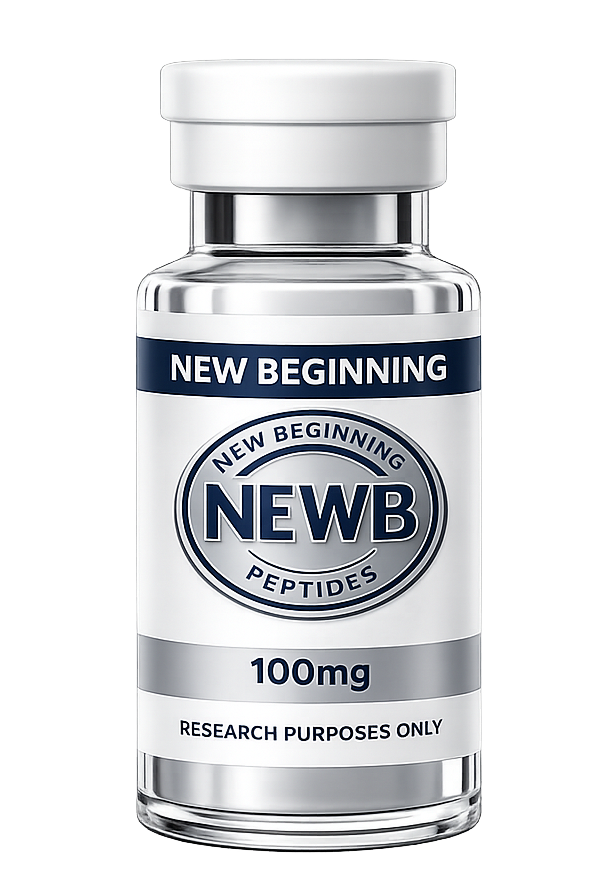
High purity peptides are sequences of amino acids synthesized with minimal impurities. Their love typically exceeds 95%, which decreases the likelihood of sudden tendencies in equally lab experiments and clinical applications. Statistically, reports reveal that Research using peptides of larger love reports up to and including 40% escalation in outcome reproducibility, showing the primary impact of quality on outcomes.

How are high purity peptides produced?
These peptides are produced through advanced synthesis practices, often using solid-phase peptide synthesis. The method involves rigorous purification steps, including high-performance water chromatography (HPLC), ensuring that each and every peptide matches strict love standards. Knowledge shows that laboratories that standardize their synthesis process may cut fresh problems by almost 30%.
What programs benefit many from large love peptides?
Large purity peptides are widely utilized in medicine discovery, molecular biology, and scientific trials. Research has shown that their use increases binding affinity in receptor reports by 20–35% on average. They also enjoy a key position in vaccine Research, protein interaction studies, and hormone evaluation, giving scientists with exact and trusted datasets.
Are there safety considerations related to large love peptides?
When used appropriately, high love peptides have a strong security profile. Mathematical examination from multiple Research features reveals negligible effects in controlled lab surroundings, featuring their consistency in comparison to less sophisticated peptide forms.
How can scientists validate peptide love?
Affirmation usually involves techniques like bulk spectrometry and HPLC. Knowledge from logical laboratories shows that more than 90 of large purity peptides meet or exceed specified purity criteria, giving assurance in fresh results.
What tendencies are emerging in large purity peptide Research?
Industry traits recommend rising usage in precision medicine and regenerative therapies. Industry Research predicts a CAGR of 12–15% for high purity peptides around the next five decades, driven by improved demand for quality-controlled biomolecules in Research and clinical applications.
Realization
Large purity peptides offer experts, scientists, and doctors a trustworthy tool with measurable benefits. By focusing on love, reproducibility, and arduous affirmation, labs can perform more correct benefits, adding to quicker discoveries and more effective Research outcomes.